
Scoliosis Centre · London
Scoliosis specialist in London.
Expert assessment, monitoring and treatment for children, adolescents and adults with scoliosis. Based at the Royal National Orthopaedic Hospital, one of the world's leading specialist spinal centres.
Understanding scoliosis
What is scoliosis?
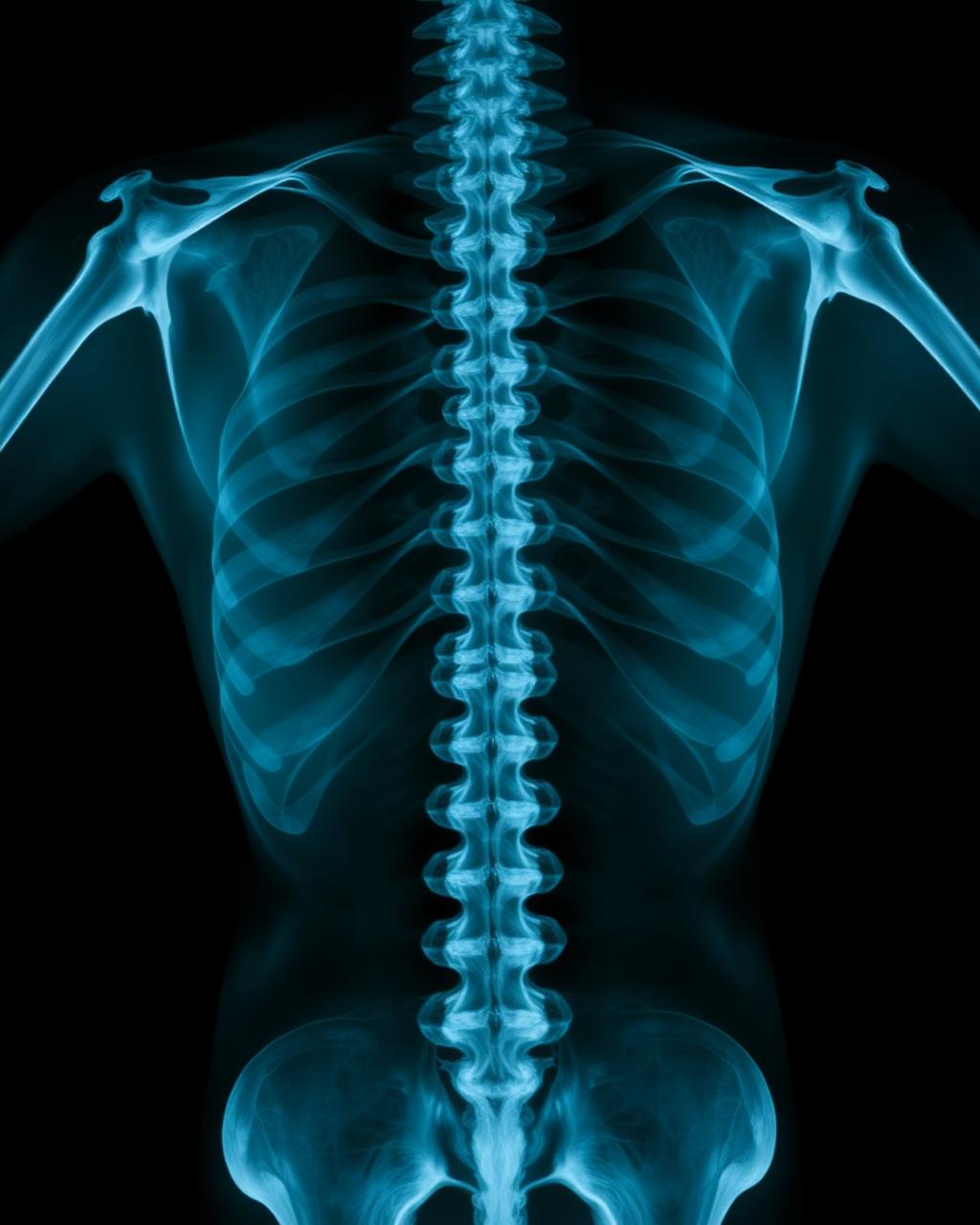
Scoliosis is a condition where the spine develops an abnormal sideways curve measuring more than 10 degrees on X-ray.
Rather than appearing straight when viewed from behind, the spine may curve into a "C" or "S" shape. Some patients also develop rotation of the vertebrae, which can lead to uneven shoulders, rib prominence or asymmetry of the waist.
Scoliosis affects children, adolescents and adults, and ranges from mild curves requiring observation to more significant deformities requiring specialist treatment.
Early signs
Have you noticed any of these signs?
Uneven shoulders
One shoulder blade more prominent
Uneven waistline
Rib hump when bending forward
Clothing hanging unevenly
Leaning to one side
Visible curve in the spine
Back asymmetry noticed by parents
If you have noticed any of these signs in yourself or your child, specialist assessment may be appropriate. Early review provides clarity, reassurance and a personalised plan where treatment is required.

My approach
My approach to scoliosis care.
Every patient is different.
Not every scoliosis requires treatment, and not every patient requires surgery. My approach begins with understanding the individual — their symptoms, goals, growth remaining and risk of progression — before discussing treatment options.
I believe patients and families should clearly understand:
- What type of scoliosis is present
- Whether the curve is likely to progress
- What treatment options are available
- Whether treatment is necessary at all
Where possible, treatment should be tailored to the patient, not just the X-ray. I combine evidence-based decision making, advanced imaging, multidisciplinary care and access to one of the world's leading specialist spinal centres.
Types of scoliosis
Types of scoliosis treated.
Scoliosis is not one condition — it covers a spectrum of presentations across all ages, each with its own assessment and treatment considerations.
Treatment options
Treatment for scoliosis.
Observation
Most scoliosis does not require immediate treatment. Regular monitoring identifies curves that remain stable and those that may progress.
- Clinical examination
- X-rays
- Growth assessment
- Virtual follow-up
Bracing
Bracing may reduce the risk of progression in selected growing children and adolescents. Mr Madi works closely with specialist scoliosis orthotists and brace providers.
- Specialist orthotist referral
- Custom-fit bracing
- Regular review
- Family education
Surgery
Surgery may be considered for progressive curves, significant deformity or larger curves at risk of continued progression.
- Prevent progression
- Improve alignment
- Restore balance
- Maintain function
Frequently asked
Scoliosis questions, answered.
Evidence-based answers to the questions most often raised by patients and families considering specialist scoliosis assessment.
Why Mr Madi
Why choose Mr Madi.
Fellowship-Trained Deformity Surgeon
Sub-specialist training in complex spinal deformity, including adolescent and adult scoliosis.
Adult & Paediatric Expertise
Experienced in scoliosis across the full age range, from early onset through to adult degenerative deformity.
Leading London Hospitals
Consulting and operating at the Royal National Orthopaedic Hospital, one of the world's leading specialist spinal centres, and at HCA hospitals in central London.
Personalised Long-Term Follow-Up
Continuity of consultant-led care from first assessment through to long-term review.
Next step
Concerned about scoliosis?
Whether you are seeking reassurance, monitoring, a second opinion or treatment, expert advice is available. Send your X-rays for personal review by Mr Madi, or book a consultation in person or by video.