
Full Endoscopic Spine Surgery
Smaller incisions. Faster recovery. Precision spine surgery.
Advanced minimally invasive spinal surgery performed through a small incision using high-definition endoscopic technology — treating slipped discs, sciatica, spinal stenosis and selected cervical and thoracic conditions with a focus on precision, recovery and preserving normal anatomy.
What is endoscopic spine surgery?
One of the most advanced forms of minimally invasive spinal surgery.
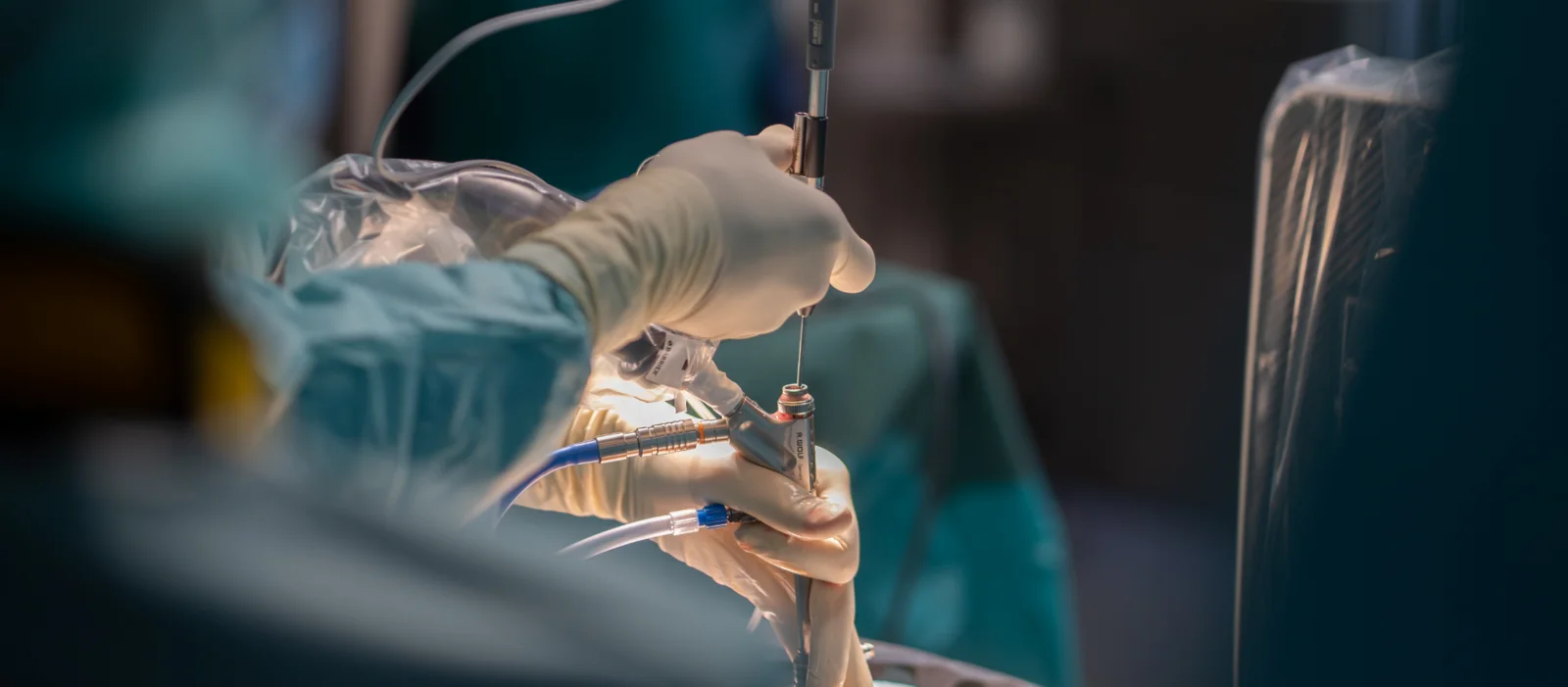
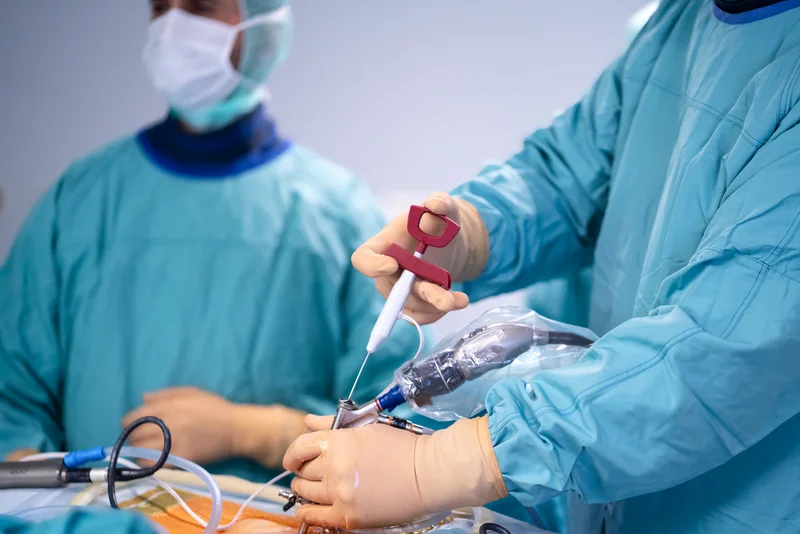
Rather than using large incisions and extensive muscle dissection, surgery is performed through a small skin incision using a high-definition camera and specialised instruments.
The endoscope allows direct visualisation of nerves, discs and spinal structures under magnification while minimising disruption to healthy tissues.
- Smaller incisions
- Less muscle damage
- Reduced blood loss
- Reduced postoperative pain
- Faster recovery
- Earlier return to normal activities
- Day-case surgery in selected patients
Every patient is different and not all spinal conditions are suitable for endoscopic surgery. The goal is always to select the treatment that offers the best balance of safety, effectiveness and recovery.
Conditions commonly treated
Targeted relief for nerve compression and disc pathology.
Thoracic Stenosis
Narrowing of the thoracic canal in carefully selected patients with myelopathy or radicular symptoms.
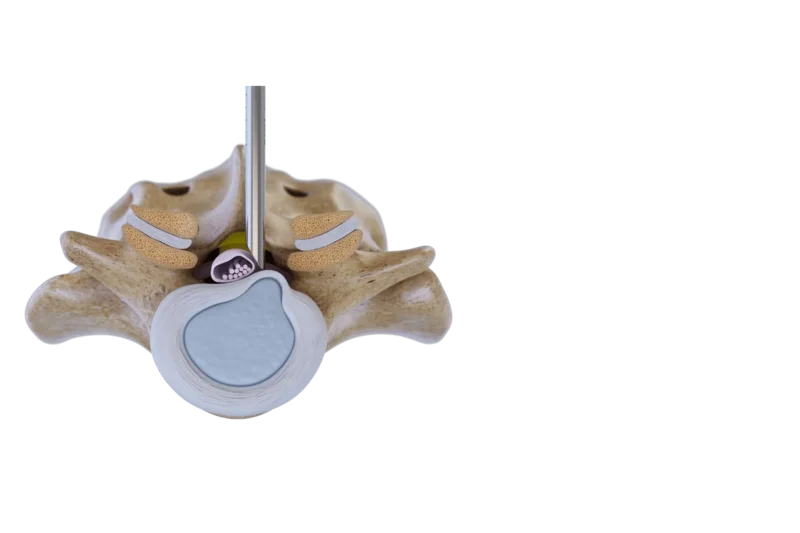
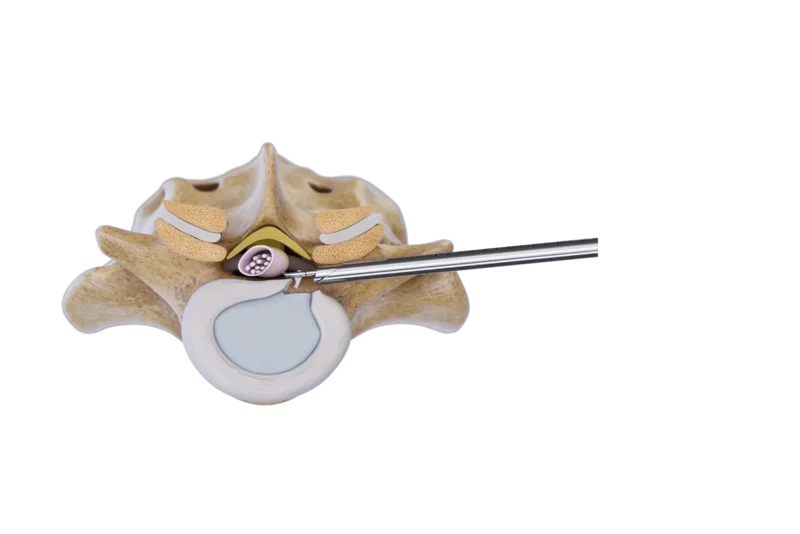
Endoscopic procedures offered
A complete range of full endoscopic spinal techniques.
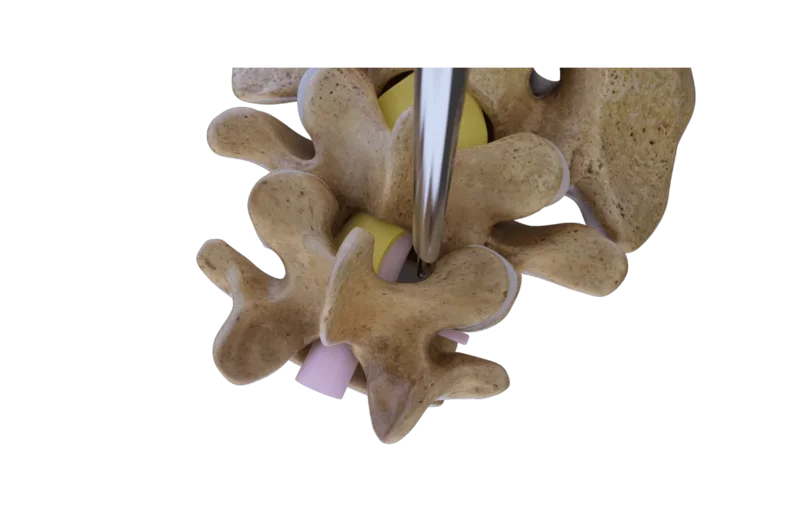
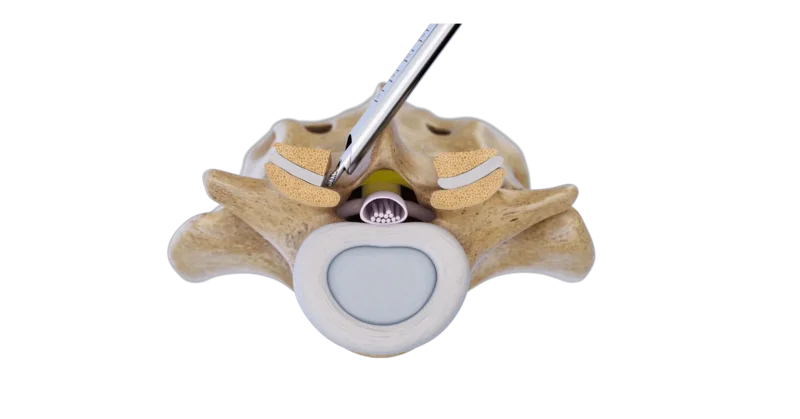
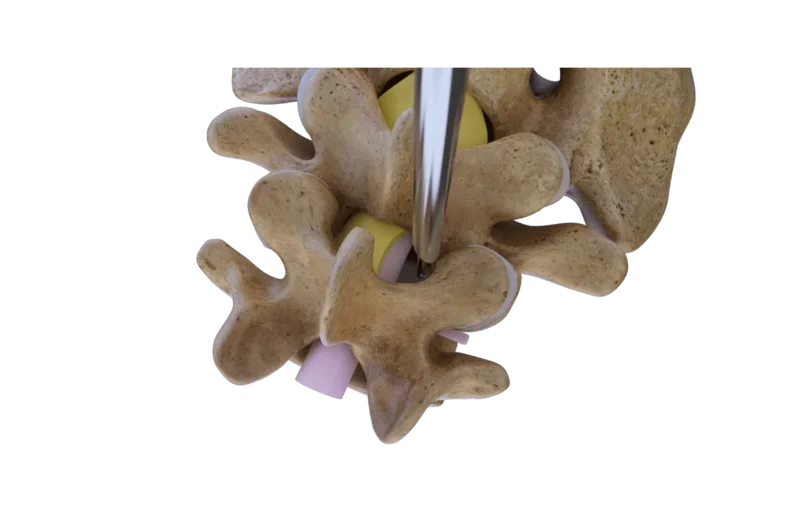
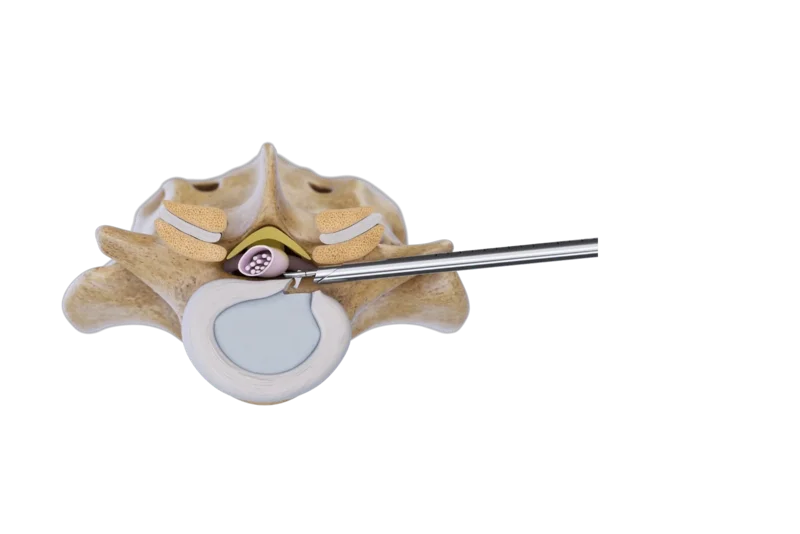
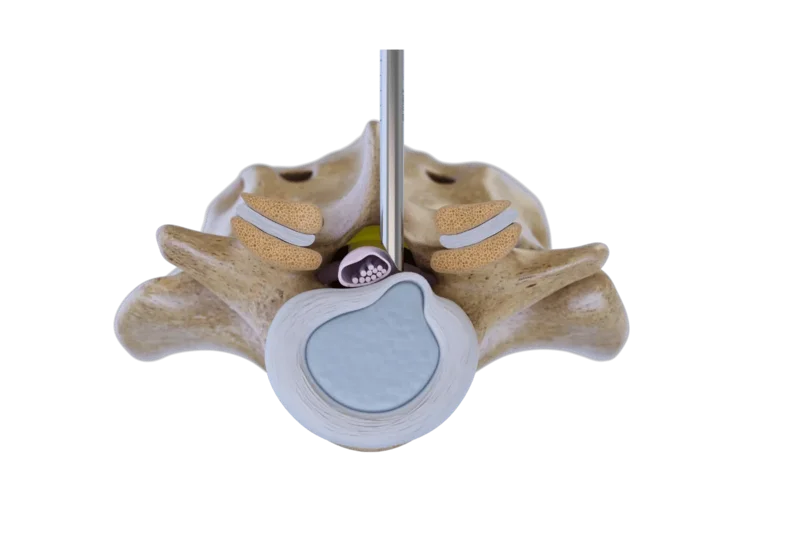
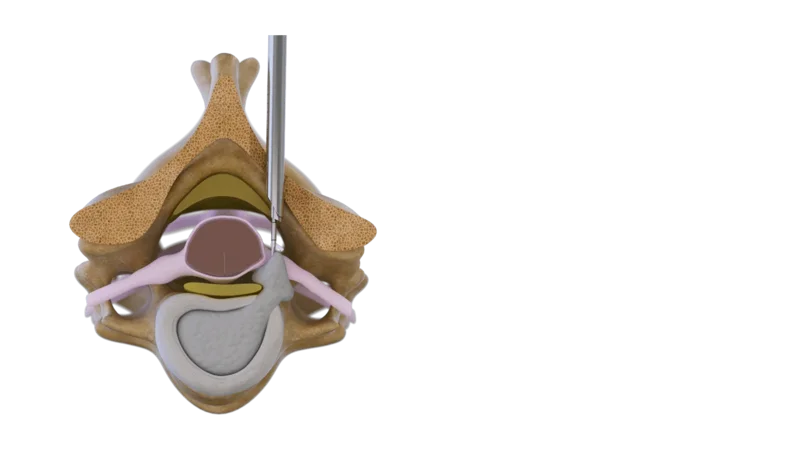
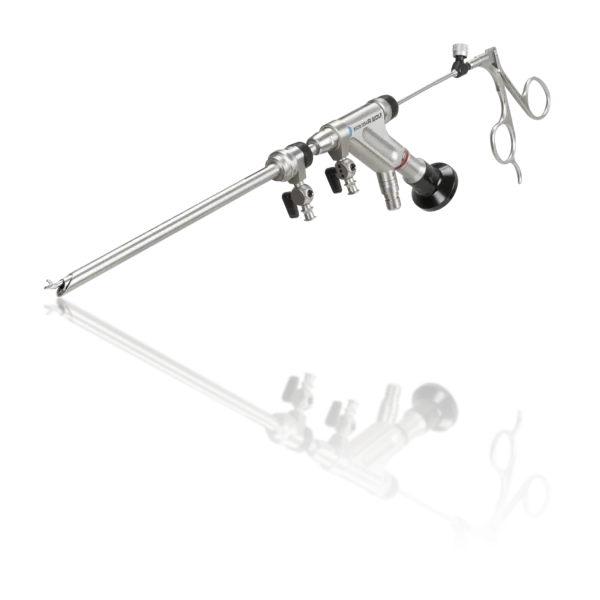
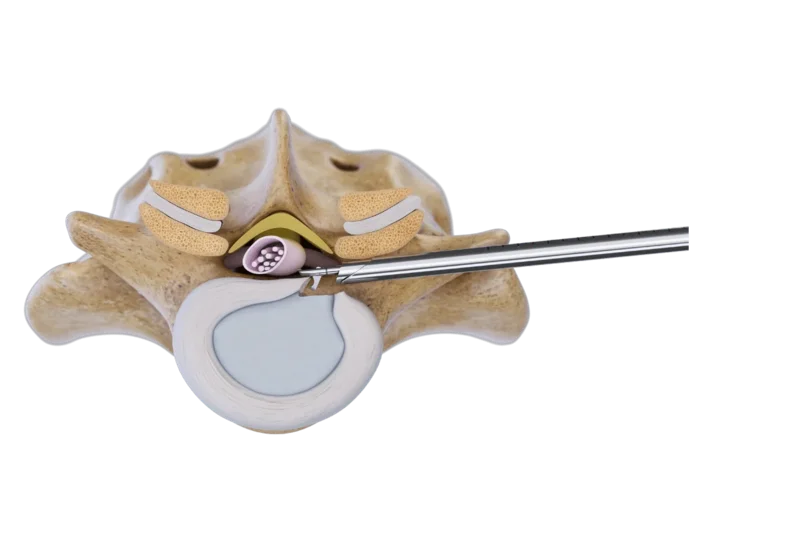
Procedure 20
Navigated Multilevel Endoscopic Decompression
Image-guided endoscopic decompression across multiple spinal levels in a single session.
Imaging investigations
Precise imaging to plan your endoscopic access.
To plan a safe and effective endoscopic procedure, you may be asked to obtain dedicated MRI sequences in three planes and a CT scan where relevant. X-rays may also be necessary to map the bony anatomy and plan the surgical access trajectory.
Investigation 01
Dedicated MRI
High-resolution MRI sequences in three planes to assess discs, nerves and soft-tissue anatomy.
Investigation 02
CT Scan
Detailed bony imaging where relevant to characterise stenosis, calcified pathology and osseous landmarks.
Investigation 03
X-Ray
Standing and dynamic radiographs where required to plan the access corridor and confirm levels.
Precision technology
Precision beyond the endoscope.
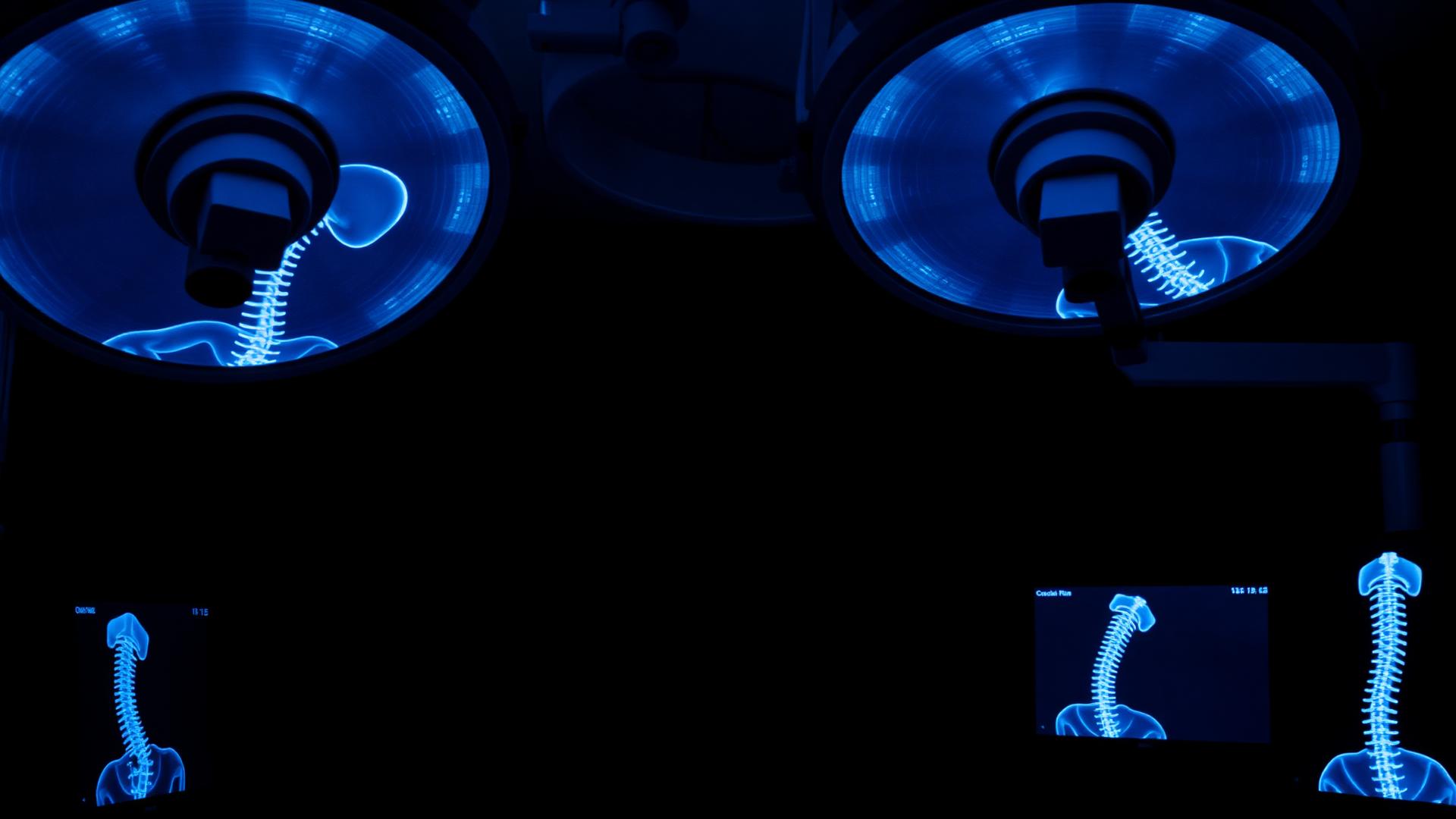
Successful endoscopic surgery requires more than simply using an endoscope. Where appropriate, advanced enabling technologies are utilised to improve accuracy and safety.
3D Spinal Navigation
Real-time three-dimensional guidance to improve surgical precision.
Intraoperative Imaging
Advanced imaging to confirm anatomy and surgical objectives.
Neuromonitoring
Continuous monitoring of nerve function during selected procedures.
HD Endoscopic Visualisation
Magnified views of nerves and spinal structures.
Multidisciplinary Team Support
Complex cases reviewed with experienced radiologists and spinal specialists.
Specialised Radiofrequency Systems
Plasma and non-plasma radiofrequency platforms tailored for endoscopic spinal work — precise ablation, denervation and haemostasis.

Why patients choose Mr Madi
Fellowship-trained in full endoscopic spine surgery.
Mr Madi is among a small number of spinal surgeons in the UK with dedicated fellowship-level training in full endoscopic spine surgery at high-volume centres in South Korea.
His training includes advanced uniportal and biportal techniques under internationally recognised pioneers of spinal endoscopy including Professors Hyeun-Sung Kim and Dong Hwa Heo.
Alongside his endoscopic practice, he is a Consultant Spinal Surgeon at the Royal National Orthopaedic Hospital, one of the world's leading orthopaedic hospitals, and consults and operates at leading HCA hospitals in central London.
- Adult and paediatric spinal expertise
- Complex deformity surgery experience
- Advanced endoscopic techniques
- Navigation-guided surgery
- Evidence-based decision making
- Patient-centred care
Not every patient requires surgery and not every patient requires endoscopic surgery. Careful assessment and selecting the right treatment remains the priority.
The evidence
A rapidly evolving evidence base.
Modern studies have demonstrated outcomes comparable to conventional surgery for many appropriately selected conditions, while offering the advantages of less tissue disruption and faster recovery.
Areas where evidence continues to grow include:
- Lumbar disc herniation
- Lumbar spinal stenosis
- Recurrent disc herniation
- Foraminal stenosis
- Cervical decompression
The field continues to evolve rapidly, with advances in instrumentation, imaging and navigation expanding the range of conditions that may be treated endoscopically.
View Publications & ResearchPatient stories
Hear from patients in their own words.
Frequently asked questions
Honest answers, before you book.
Book a consultation
Find out whether endoscopic spine surgery is right for you.
A detailed consultation includes review of symptoms, MRI scans, previous treatments and surgery, and your personal goals and expectations. Treatment options will be discussed in detail, including both surgical and non-surgical approaches.
Patients are encouraged to provide previous imaging and reports before consultation where possible. This allows a more detailed assessment and personalised treatment plan.
- Symptoms
- MRI scans
- Previous treatments
- Previous surgery
- Goals and expectations