
Share this page
Lumbar Conditions
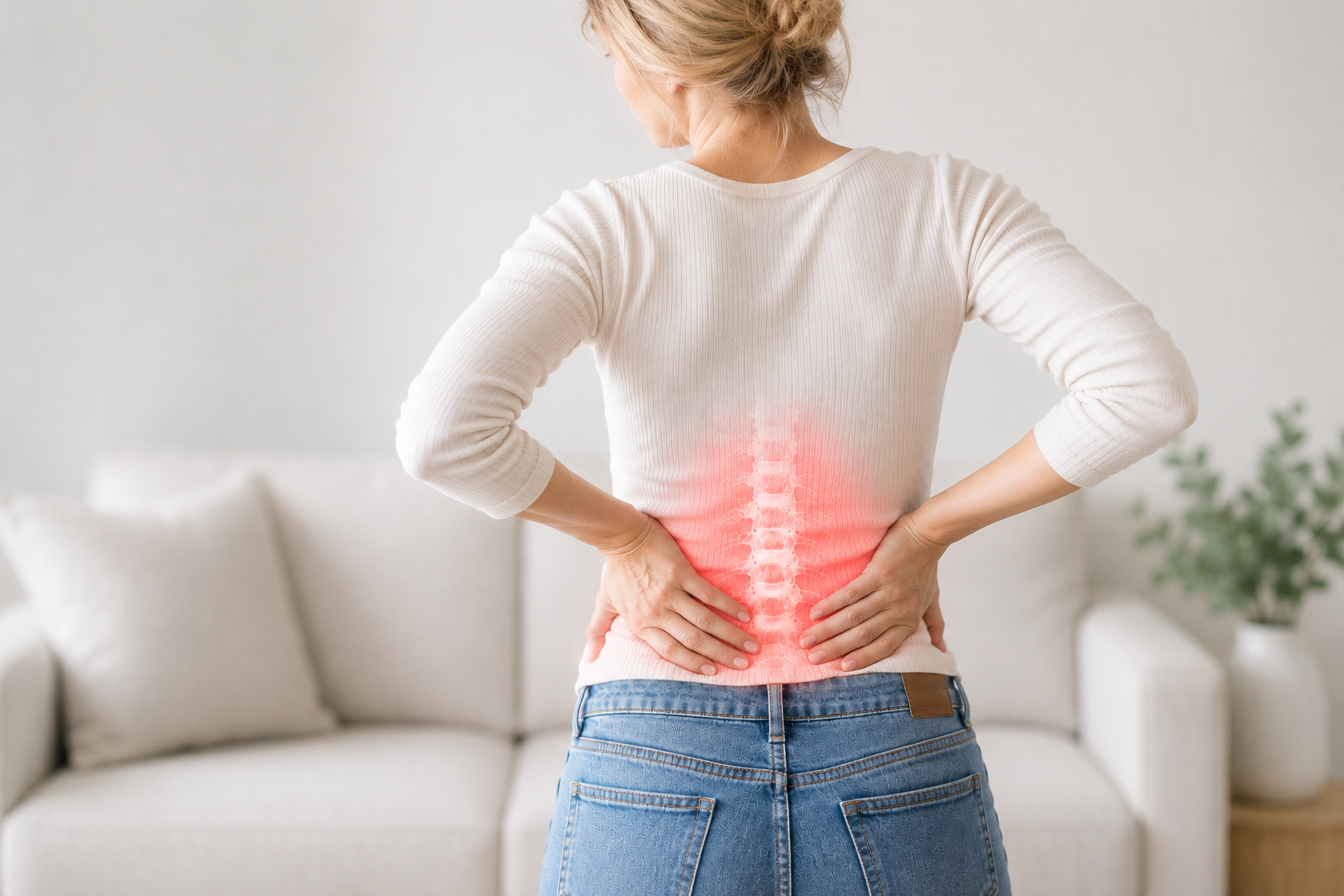
Low Back Pain
One of the most common health complaints — usually non-specific, almost always improves with active management, and rarely needs surgery.
★ Featured guide · 5 min read
How to Look After Your Back
Eight everyday principles for protecting your spine — Mr Madi's full patient guide, written for patients of all ages.

Official NHS/NICE guidance
Low Back Pain in Adults — NICE Patient Leaflet
Published by the National Institute for Health and Care Excellence (NICE). Plain-English summary of recommended assessment and treatment for low back pain in adults.
Source: nice.org.uk · Reproduced for patient information
For information only — not medical advice. The content on this page is patient education to help you understand a condition or treatment. It is not a substitute for personalised assessment by a qualified clinician. Always consult your doctor or specialist about your own symptoms, diagnosis, and treatment decisions.
When to seek urgent care
Red-flag symptoms

If you develop any of the following, seek urgent medical attention — call 111 or attend your nearest emergency department.
Overview
Low back pain is one of the most common health conditions in the world, affecting around 8 in 10 people at some point in their lives. In the UK alone it accounts for millions of GP consultations every year. The pain can be intense and frightening, but the great majority of cases are not caused by serious disease and improve significantly within the first few weeks.
Low back pain is defined as pain felt between the bottom ribs and the creases of the buttocks. It is classified by duration as acute (under 6 weeks), subacute (6–12 weeks) or chronic (over 3 months). In 90–95% of patients it is 'non-specific' — coming from muscles, ligaments or small spinal joints rather than a single identifiable injury or disease.
Mr Madi's approach is consultant-led but conservative: rule out serious pathology, reassure, encourage movement, and reserve scans and surgery for the small group of patients who genuinely need them.
Symptoms
- Dull, achy pain in the lower back
- Sharp, stabbing or 'electrical' sensations
- Pain worse with bending, lifting or prolonged sitting
- Pain that radiates into the buttocks or thighs
- Muscle spasm or a feeling of tightness across the lower back
- Stiffness, particularly in the morning
Causes & Risk Factors
- Mechanical triggers — lifting, twisting or sudden movements straining muscles and ligaments
- Age-related disc and joint changes — a normal part of getting older
- Lifestyle factors — inactivity, smoking, raised body weight, high work stress
- Genetic predisposition affecting how spinal discs age
- Poor sleep, low mood and persistent stress, which lower pain tolerance
Diagnosis
Diagnosis starts with clinical triage — your specialist categorises the pain into one of three groups: simple/non-specific back pain, nerve root pain (sciatica), or serious spinal pathology (rare, under 2% of cases). Imaging is used selectively: scans of pain-free people frequently show 'abnormalities' such as bulging discs or wear and tear, so MRI is reserved for red-flag symptoms or pain that fails to settle.
- Detailed history and physical examination
- MRI lumbar spine — only when red flags are present or symptoms persist
- Standing X-rays if instability or deformity is suspected
- Blood tests if inflammatory or systemic disease is suspected
Treatment Options for non-specific low back pain
Non-surgical care
- Stay active — bed rest beyond 1–2 days slows recovery
- Heat packs for short-term relief of muscle spasm
- Short courses of anti-inflammatories (NSAIDs) such as ibuprofen
- Structured physiotherapy and graded exercise for persistent pain
- Manual therapy (manipulation or mobilisation) in selected patients
- A biopsychosocial approach — addressing fear, sleep and stress alongside the physical pain
Surgical options
- Surgery is rarely the first-line option for back pain alone
- Targeted decompression where a nerve is clearly being compressed
- Microdiscectomy or endoscopic discectomy for a confirmed symptomatic disc prolapse
- Fusion only for clearly demonstrated instability not responding to conservative care
Recovery & Outlook
Recovery is an active process. Around 9 in 10 patients with a new episode improve within 6 weeks. Success is most likely when patients keep moving, return to work early — even with some residual discomfort — and address anxiety or fear about the pain alongside the physical symptoms.
- Week 1–2: settle severe symptoms, stay mobile, avoid prolonged rest
- Week 2–6: gradual return to work, hobbies and exercise
- Week 6–12: structured rehabilitation if pain persists
- Beyond 3 months: consider specialist review if symptoms are still limiting daily life
Patient Resources
Patient Resources
Practical guides, illustrations and educational materials to help you understand and manage your back pain.
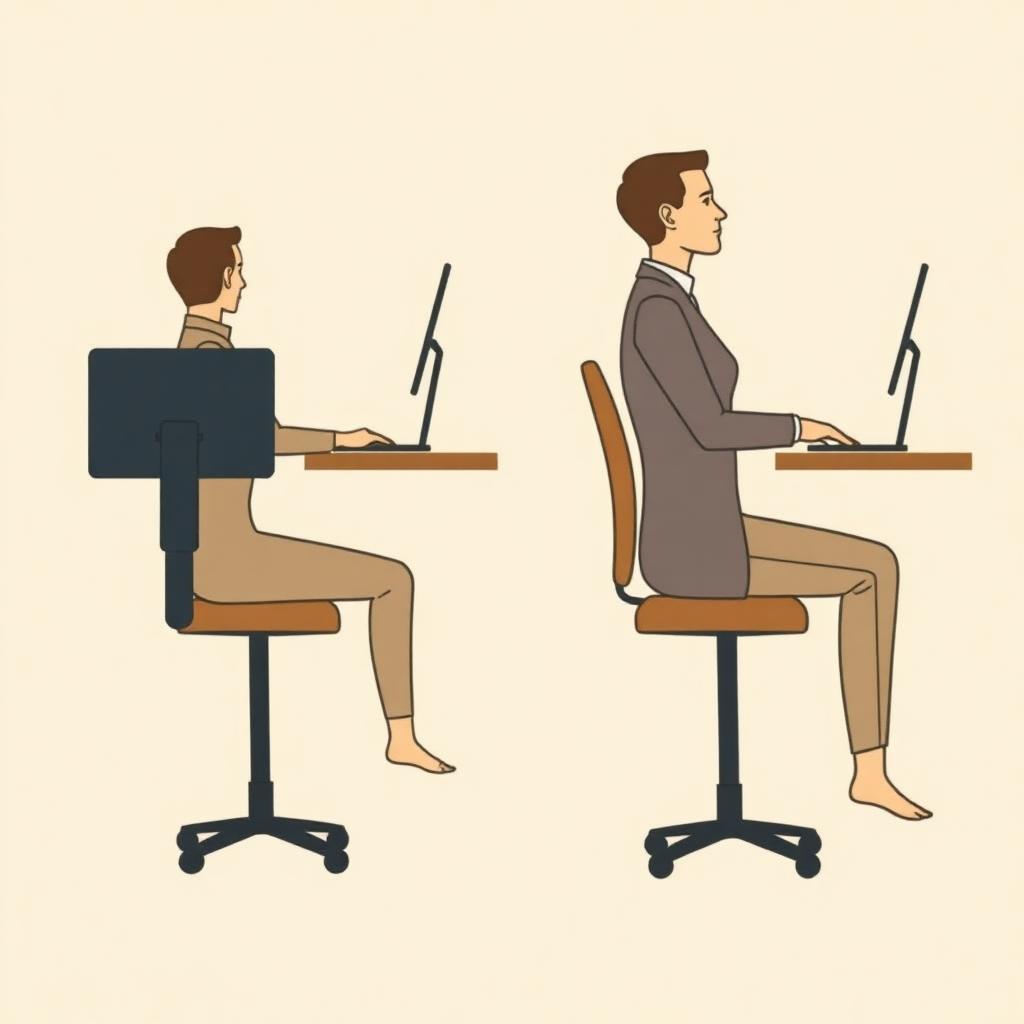 Featured
How to Look After Your Back
Eight everyday principles for protecting your spine — written for patients of all ages.
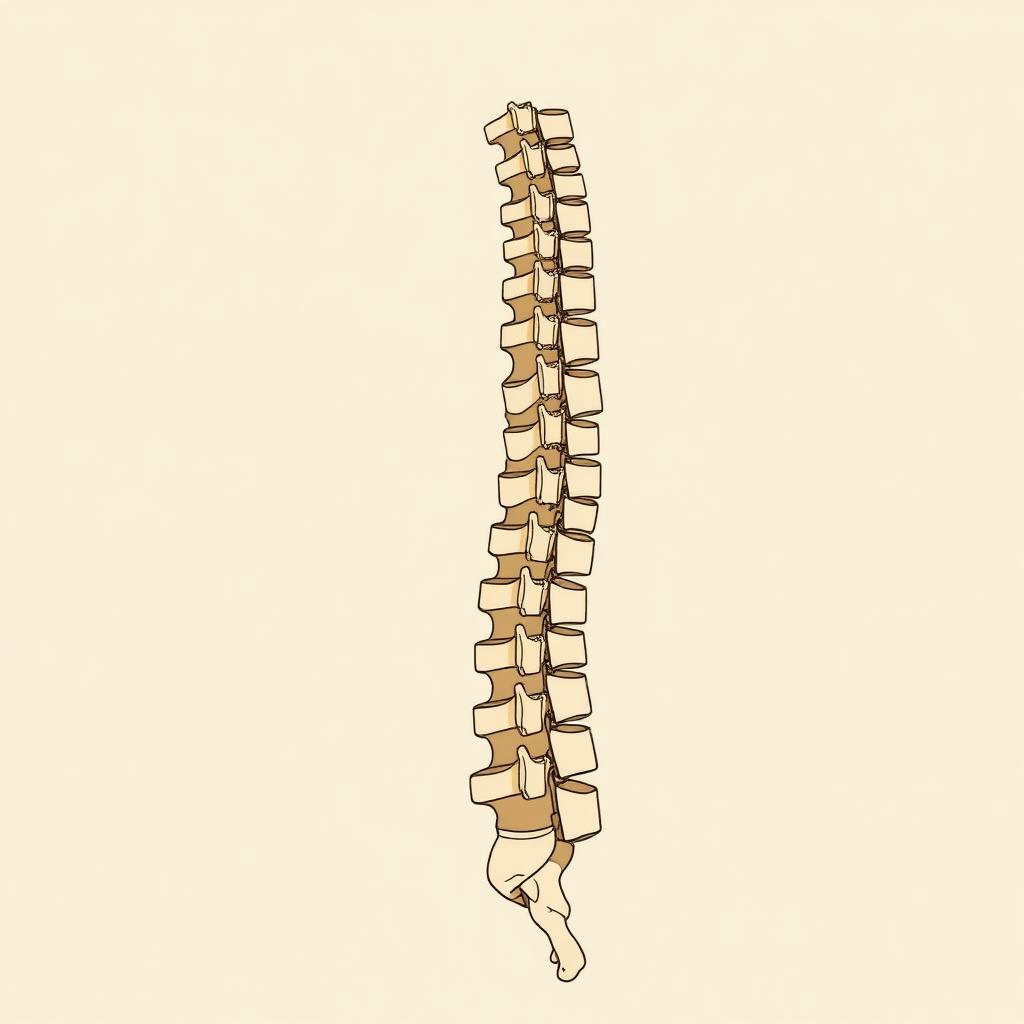 Featured
Understanding Your MRI Scan
What an MRI shows, why findings like 'bulging disc' are often normal, and when scans really matter.
FeaturedGuide to Sciatica
How to recognise nerve-root pain, what makes it different from back pain, and when to seek help.
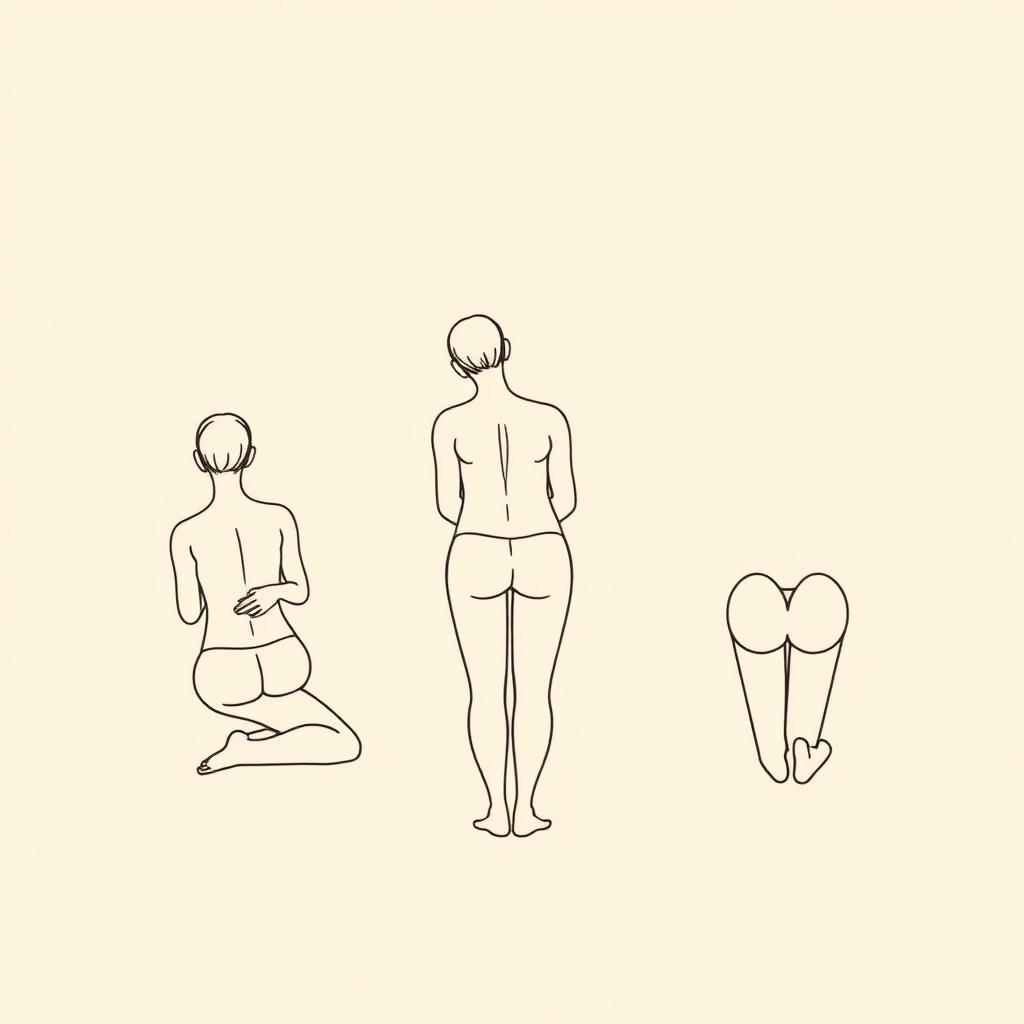 Featured
Returning to Exercise Safely
A graded plan for getting back to walking, gym and sport after an episode of back pain.
 Featured
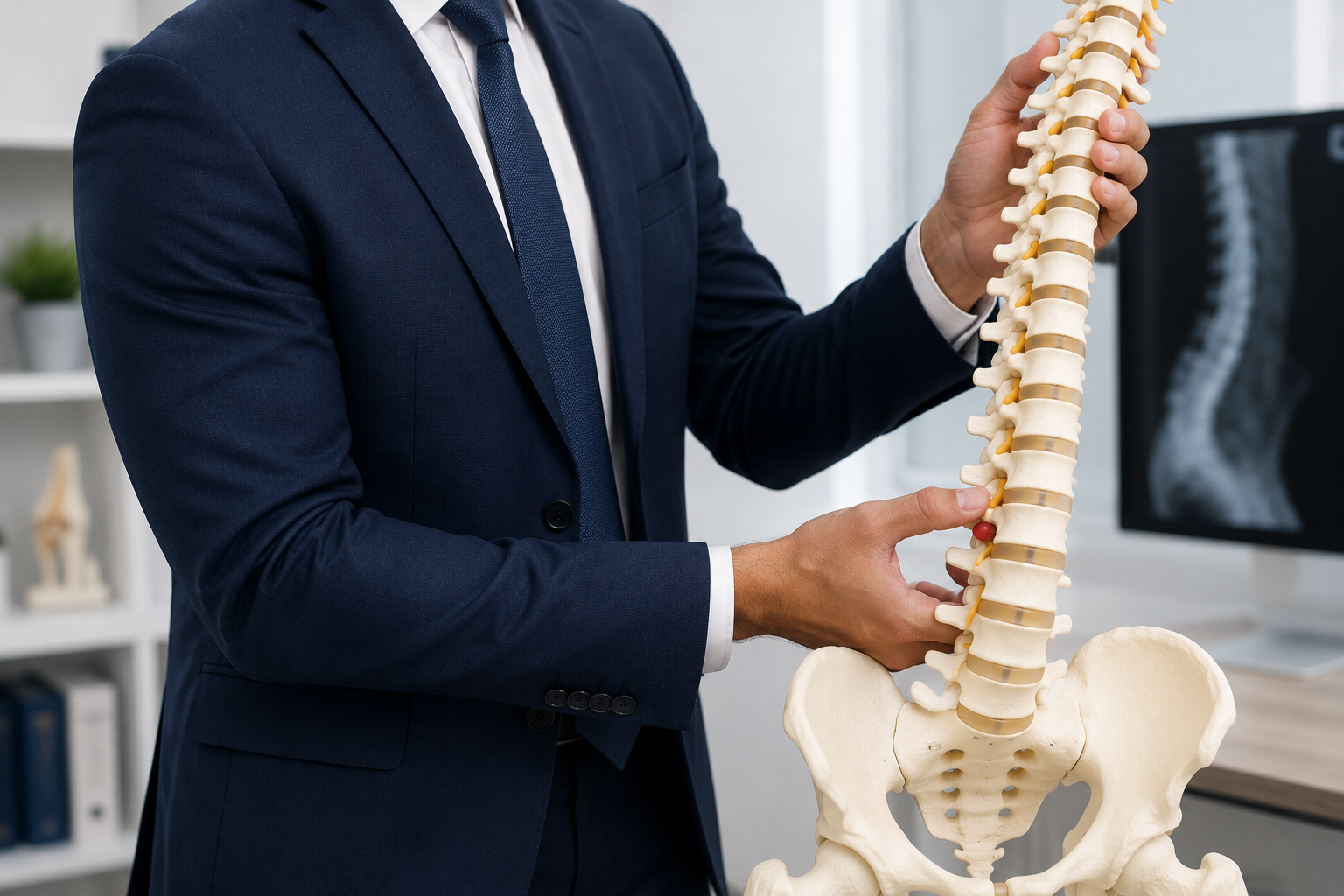
Understanding Your Spine
Illustrated patient guide to the anatomy of the spine — vertebrae, discs, joints, nerves and how they work together.
FeaturedHow to Look After Your Back
Eight everyday principles for protecting your spine — written for patients of all ages.
FeaturedUnderstanding Your MRI Scan
What an MRI shows, why findings like 'bulging disc' are often normal, and when scans really matter.
FeaturedGuide to Sciatica
How to recognise nerve-root pain, what makes it different from back pain, and when to seek help.
FeaturedReturning to Exercise Safely
A graded plan for getting back to walking, gym and sport after an episode of back pain.
FeaturedUnderstanding Your Spine
Illustrated patient guide to the anatomy of the spine — vertebrae, discs, joints, nerves and how they work together.
Managing Your Low Back Pain — Patient Leaflet
Print-friendly summary covering what helps, what to avoid, and when to see a specialist.
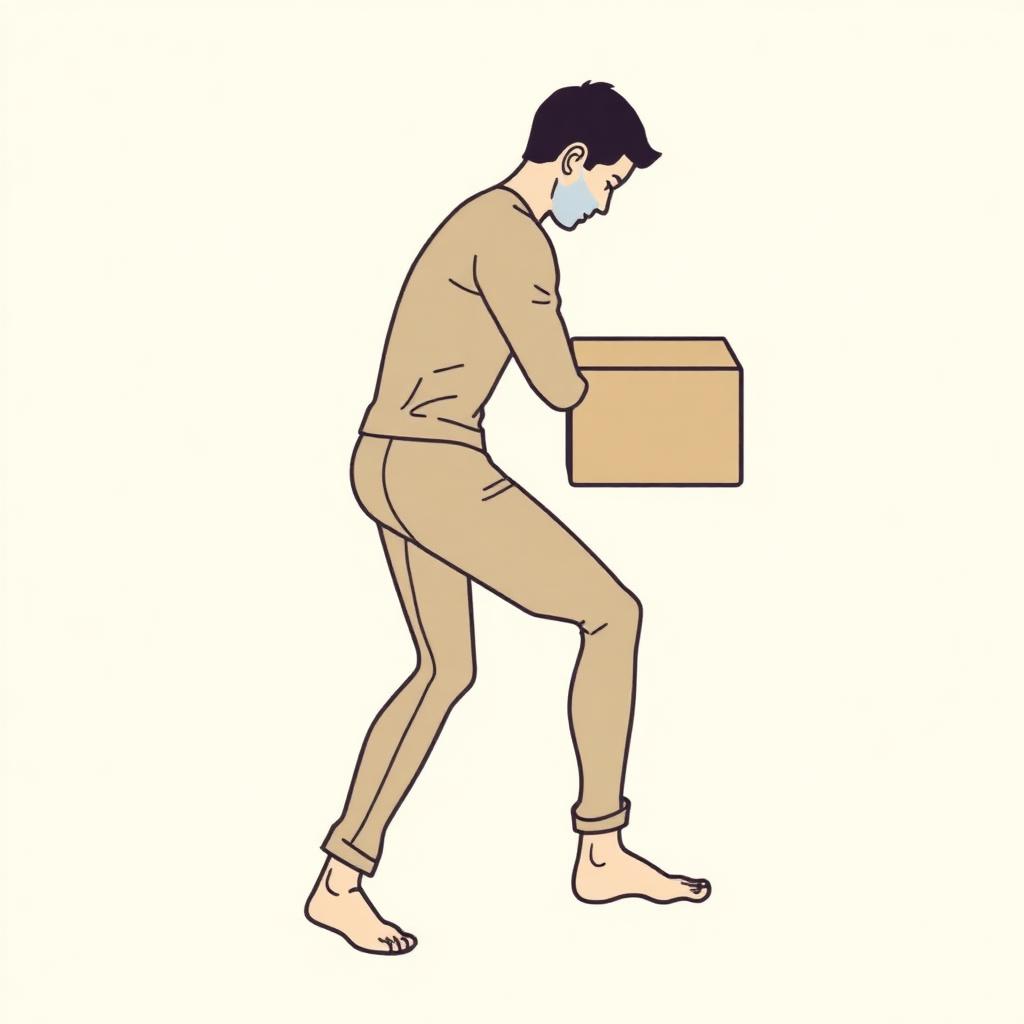
Safe Lifting Technique
Step-by-step illustration of how to lift heavy objects without straining the lower back.
Daily Posture & Workstation Set-up
Quick guide to chair height, screen position and posture habits that protect your spine.
Recovery After Spinal Surgery
What recovery looks like in the first 12 weeks after endoscopic and microsurgical procedures.
Patient leaflet
Managing Your Low Back Pain
Preview the patient leaflet, download it, print it for your GP, or share it with a family member.
Scan to open
Still have questions?
Speak to Mr Madi's team
These resources are a starting point — every patient is different. Book a consultation, request a callback, or contact the team for tailored advice.
Frequently Asked Questions
Patient downloads
Take this away
Print-friendly guides and forms you can save, share with your GP, or bring to your consultation. All documents are written for patients in plain English.
References & further reading
- —NICE — Low Back Pain and Sciatica in Over 16s (NG59)
- —NHS — Spinal Conditions
- —British Association of Spine Surgeons (BASS)
- —NICE — Low Back Pain and Sciatica in Over 16s (NG59)
- —NHS — Back Pain
This information is for general patient education and is not a substitute for an individual consultation. Always seek personalised advice from a qualified spinal specialist.
Found this helpful? Share it
Discuss this with Mr Madi
Personalised, consultant-led advice
Every patient is different. The information on this page is a starting point — Mr Madi will tailor any plan to your specific imaging, symptoms and goals.